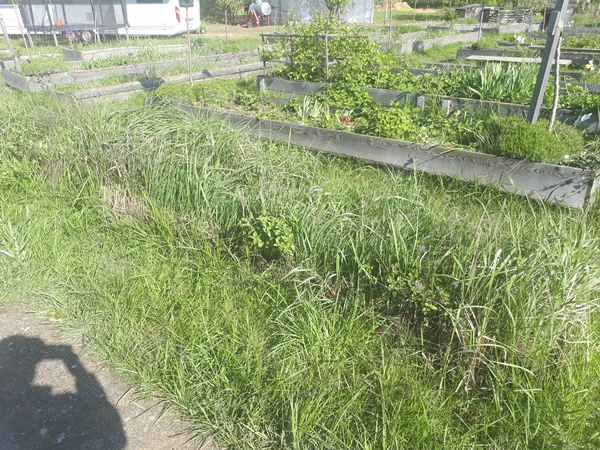
A raised bed filled with couch grass

A raised bed full off couch grass, so sad, but also some surprises

One of our raised beds was on a spot where there was a lot of couch grass and we neglected to do anything against the couch grass before we made the raised beds. This was one of the kid’s garden beds and we just let them do as they liked and that was not pulling out the grass. After 2 years the raised bed looked like this.
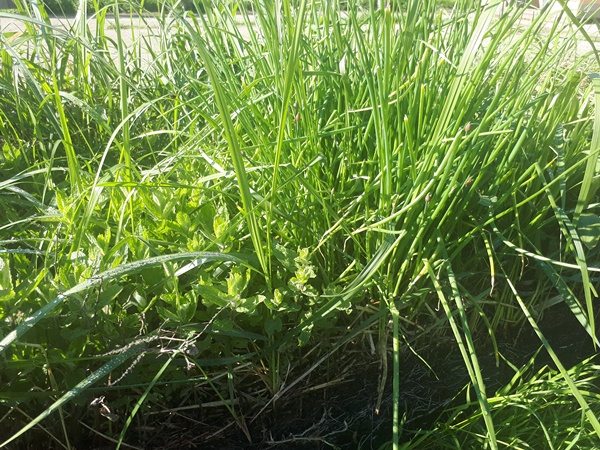
A raised bed over grown with couch grass

It is very much overgrown with couch grass, although not entirely.

For the most part the soil of the raised bed is one thick layer of roots. The couch grass roots do not really go down, but grow horizontal, sending up new grass regularly. After some time the roots have woven a thick carpet.

Garden soil woven trough by couch grass roots

It feels like a miracle if anything else would be able to grow in there, but it did. We found some strawberries hanging in there and growing taller to be able to get some sunlight.

Strawberries surviving amongst couch grass

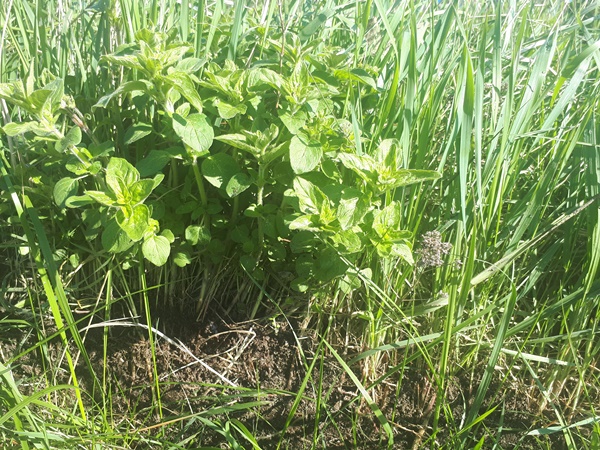
But not only strawberries, we had a section with mint, also a root invasive plant, with hardly any couch grass growing through. Same with the tuft of chives growing next to it.
A patch of mint and a tuft of chives coping among couch grass

There also was a big plant of oregano in the bed, which mixed in with the couch grass. This made it hard to harvest. We had a lot of work separating the oregano from the couch grass, since we do not want to eat the grass.
A tuft of oregano peeking trough in front of the couch grass

Since it is impossible to get rid of the couch grass in this raised bed and we have a new idea for growing food without the interference of the couch grass we cleared this raised bed to make space. We took of the wooden sides and picked up the soil/root carpet that was left with the tractor bucket. The “carpet” really held together and was easy to remove. It was just a thick layer on top of the normal ground.

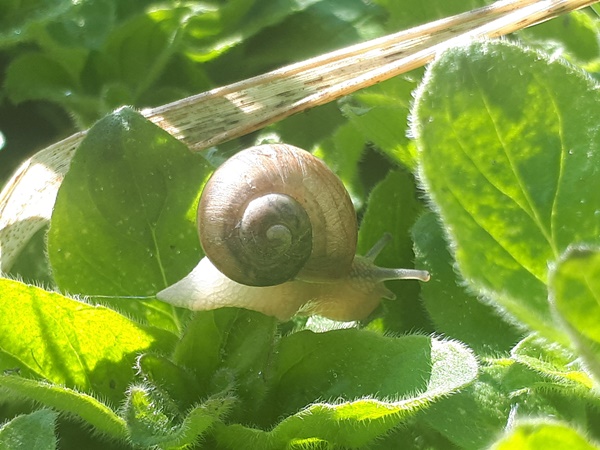
While clearing the “carpet” we found some lady bugs and this beautiful little burgundy snail.
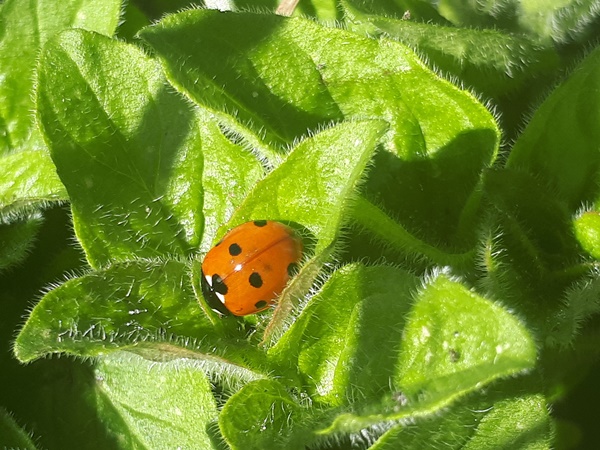
A lady bug on an oregano leaf
A very small, almost see trough, burgundy snail on an oregano leaf

As for the reason for clearing this space, you can read about it in an up coming post.

Pumpkins growing on horse manure

Horse manure with a little saw dust, some pumpkin seedlings and some other seeds

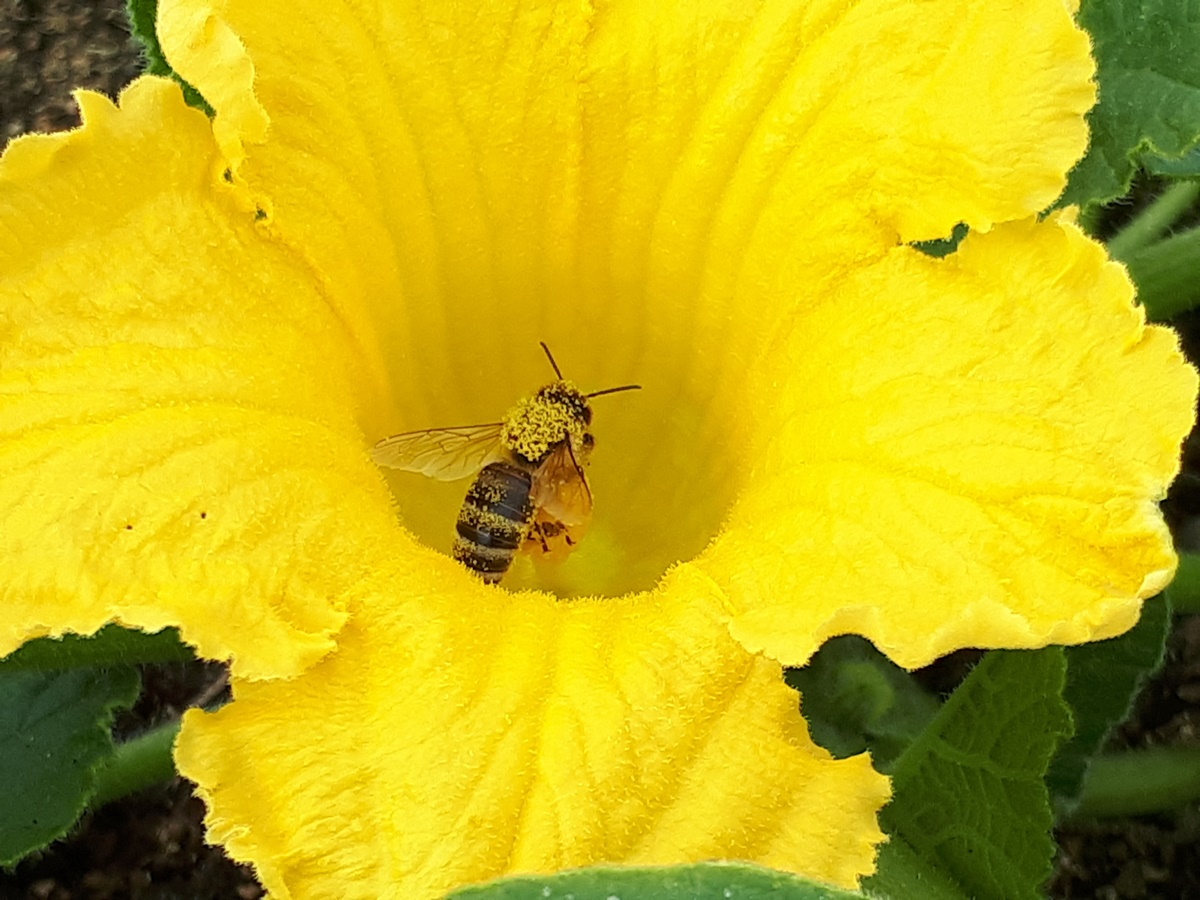
Another little flashback to last growing season, but this beautiful bee picture, I just had to share.

The next picture is not very sharp, but you can see that the bee is packed with pollen.

Flying bee packed with pollen
Bee packed with pollen

And where is this bee going? Well, the bee is visiting my flowering pumpkin; I rose from seed I saved the previous year from our own pumpkins. This growing season (2023) I had planted my seedling pumpkins in a new compost bed, which was not ready yet. As I had written before all but one pumpkin plants died. We love pumpkin soup and pumpkin pie, so one plant will not do for our needs. So first things first, we raised some new pumpkin seedlings from seed I had saved from our own pumpkins the year before. The only thing missing was an adequate planting spot, but my husband was able to fix that for me.

He scratched together what we had left of the horse manure we had purchased in the fall 2022. It was dry with very hard chunks, but after my husband mixed it with some saw dust and ran it through the manure spreader it was much more usable already. He dumped a big pile on some cardboard in our garden 4 just beside the failing composting bed.

Big pile of Big pile of horse manure mixed with saw dust lying on cardboard in a garden lying on cardboard in a garden
Horse manure mixed with saw dust

This was 25th of June, which is very late in the season to start with small pumpkin seedlings, but we planted them anyway. For the start we watered the seedlings a few times.

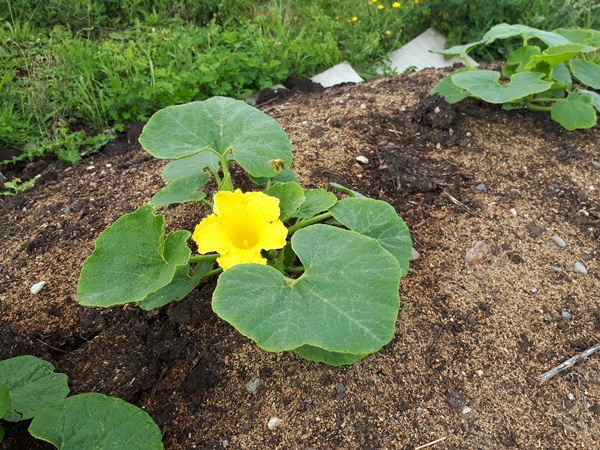
Beginning of August the seedlings had settled in nicely and started to bloom.

Small pumpkin plant with a yellow flower on the top of a horse manure pile
Blooming pumpkin plant

At this point I sowed some red beets and some peas in the sides of the pile.

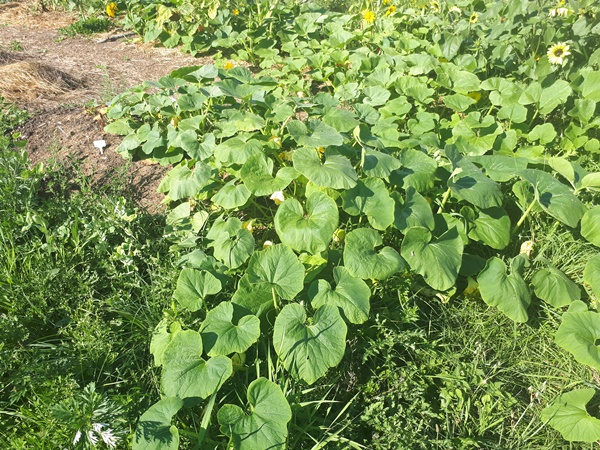
Middle of September we had a whole rug of pumpkin plants.

A rug of pumpkin plants covering a whole garden patch
A rug of pumpkin plants

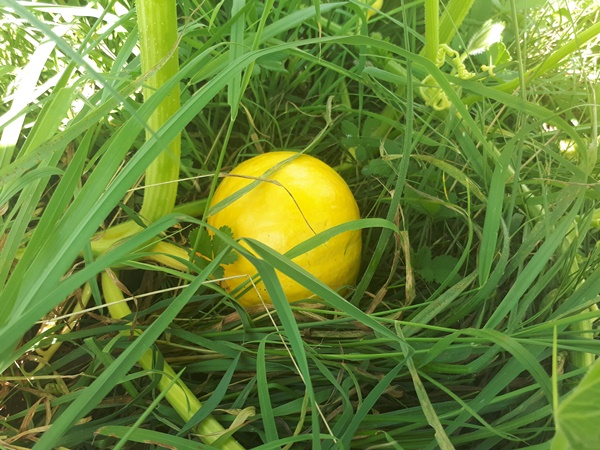
We where able to harvest, when I remember correctly, 6 ripe pumpkins of these plants and had a number of unripe pumpkins still on the plants.

An unripe yellow pumpkin still on the plant lying in the grass
An unripe pumpkin

You could argue if the amount of work was worth the effort for “only” 6 pumpkins, but I am glad we did it. Now I know for the future that if the first planting fails there is time for a second planting to crop and we would not have to go without delicious pumpkins.

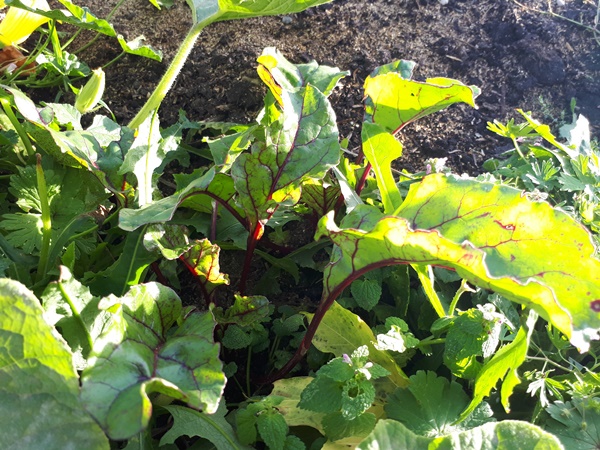
As for the peas and red beets, they looked beautiful by middle of September, but sowing beginning of August is definitely too late for them to crop. Only the peas and red beets at the bottom of the pile germinated, so higher up at the sides probably was not enough moisture.

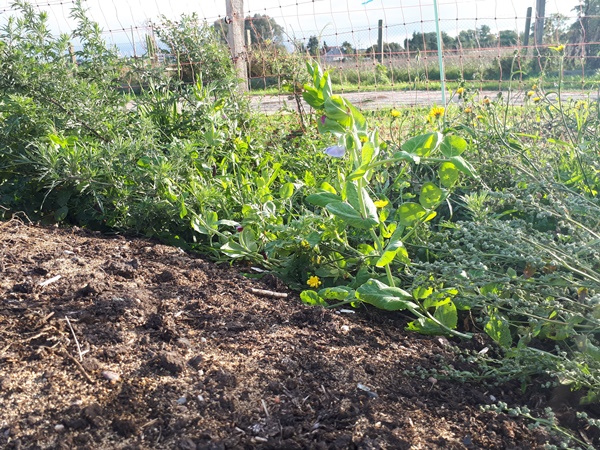
A young pea plant right before flowering
A red beet plant peeking trough the weeds

O well, everything looked nice and we had the ground covered with plants, which is important to.

Making a blueberry patch

Taking another step in building our food forest

For my last birthday I wished for some blueberry bushes to plant in our garden. We love the taste of blueberries and what we love so much we need to grow our selves. There is nothing compared to the taste of berries which are self grown and freshly picked and eaten right there in the garden.

So we went and purchased 10 blueberry bushes last fall. It took a little while before we actually planted them, but finally we did. Blueberries need acetic soil and we have this corner in our garden 3 where we filled up a big hole with sawdust, bark and smaller pieces of wood from our sawmill a few years ago. We finished this of with a layer of normal soil. The organic matter has been decomposing and we thought the time was right for planting by now.

The blueberry bushes should be planted 2 meters apart, but we just divided the 10 bushes on the designated patch. I always find it difficult to respect the recommended plant spacing. The blueberry patch still looks so empty with only the 10 blueberry bushes and a panicle hydrangea. After planting we divided a thick layer of woodchips over the entire blueberry patch. At first it looked really tidy and ratter empty. The naked blueberry bushes where hard to see against the background of the woodchips. Obviously the woodchips did not really hold down the weeds, but at least the blueberries have gotten there leaves now and the blueberry patch does not look so empty any more.

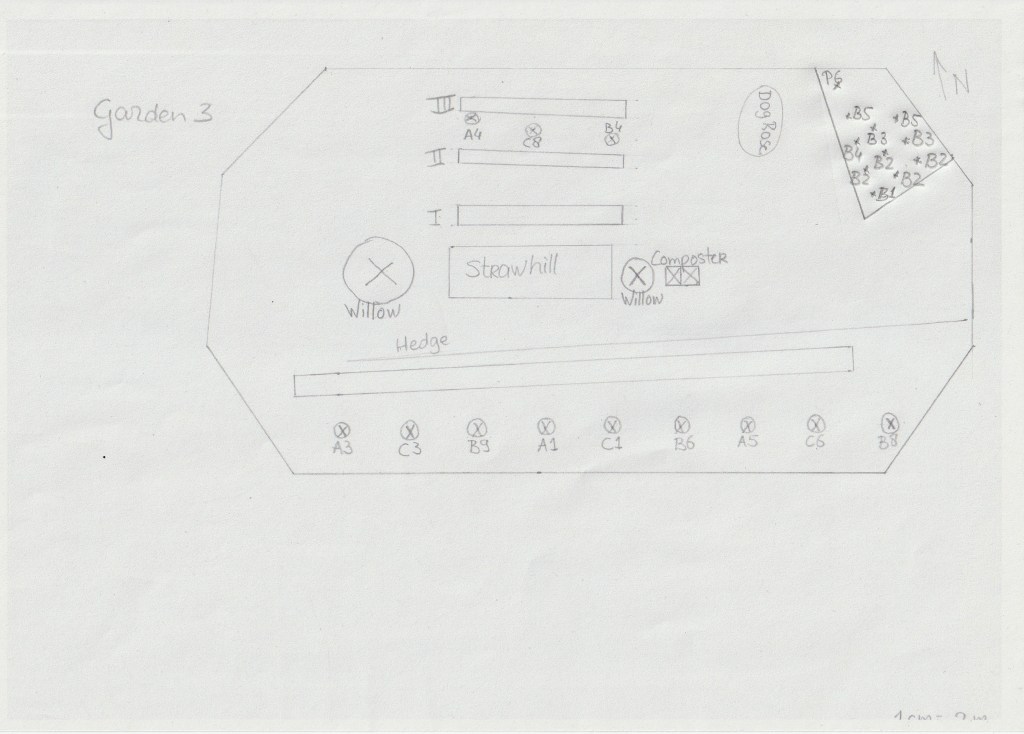
We got 5 different kinds of blueberries with different ripening times and so I updated my garden layout of our garden 3.

Garden 3

Blueberries (Vaccinium corymbosum)

  • B1: Berkley
  • B2: Herbert Frühreifend
  • B3: Ama
  • B4: Goldtraube 71
  • B5: Patriot
  • P6: panicle hydrangea, Rispen Hortensie

Here you can find the overview of our gardens.