Remodelling our Garden 2, planting perennials densely and removing the raised beds which have no fruit trees
The raised beds
Our garden 2 with the raised beds has been very overwhelming with the couch grass growing threw every where. We had already removed some beds that where already completely overgrown with couch grass as you can see in this post. Constantly pulling out the couch grass in this many raised beds is simply to time consuming. Another problem was that our lawn mower tractor did not fit in between the raised beds to keep the grass on the walking paths low. Therefore we decided to change the purpose and our approach in garden 2 completely.
Our garden 2 will be for the fruit trees, which are already there, flowers, strawberries and herbs. Only the vegetable patch will be for growing annual plants, mainly vegetables.. The plan is to have the raised beds, the ones with the fruit trees in them, so full with plants that there will be no room for the couch grass. The raised beds without fruit trees will be removed, so the pathway maintenance will be much easier.
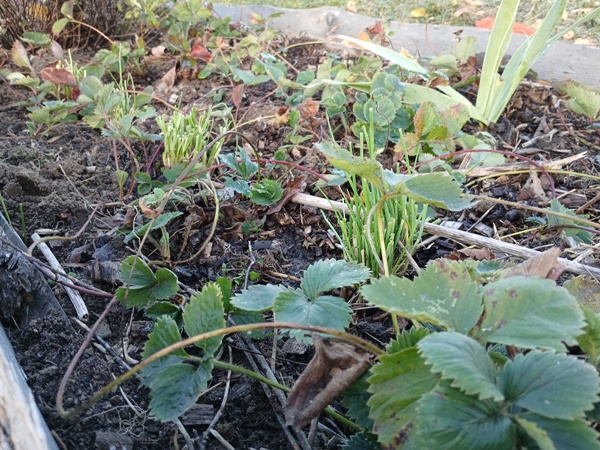
Raised bed with chives, strawberries and iris
This means a lot of plants, mainly strawberries, need to find a new home. The currant bushes found a new spot in between the blueberry bushes in the berry garden. The herbs are combined with strawberries and found places in the raised beds which are staying. We have not finished this work yet, but we are getting there.
This peppermint was planted in the spring. By fall the roots where grown trough the entire raised bed.
The vegetable patch in our garden 2
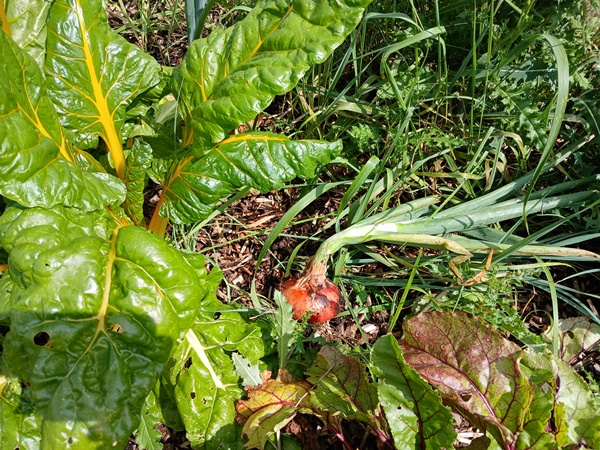
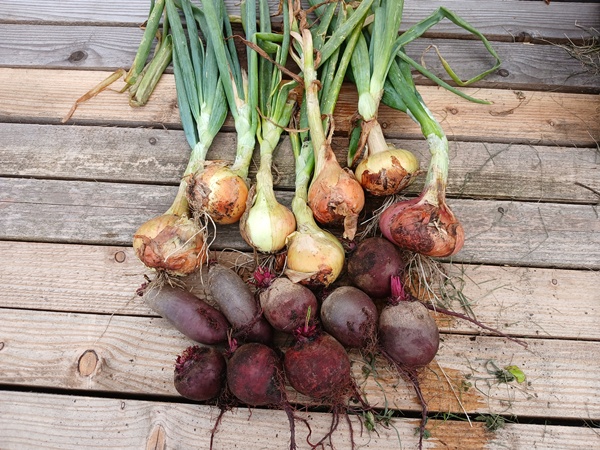
The vegetable patch is very much taken over by the couch grass, but still gave us a nice harvest of onions, red beets, chard, parsnip and even some tomatoes from a volunteer tomato plant.
A very overgrown garden patch with red beets, onions, chard, phacelia and couch grass
We did not rotary till the vegetable patch last year and the couch grass took over most of the patch. We will have to do something about that. With the treeless raised beds being removed we will also extend the vegetable patch. Since also the kid’s raised beds will be filled with perennials, they will have the vegetable patch for there annual plant wishes the coming growing season.
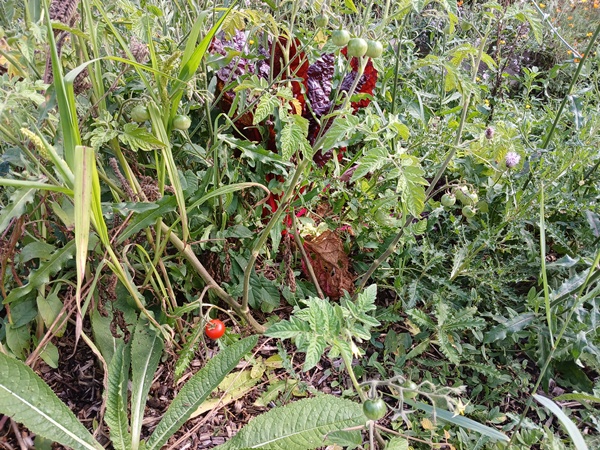
Chard and an onion ready for harvest in an overgrown garden patchA beautiful big phacelia giving colour to the vegetable patchVolunteer tomato plant cooping in an overgrown garden patchPart of the harvest
Couch grass everywhere, so we experiment with growing vegetables out of reach of the couch grass.
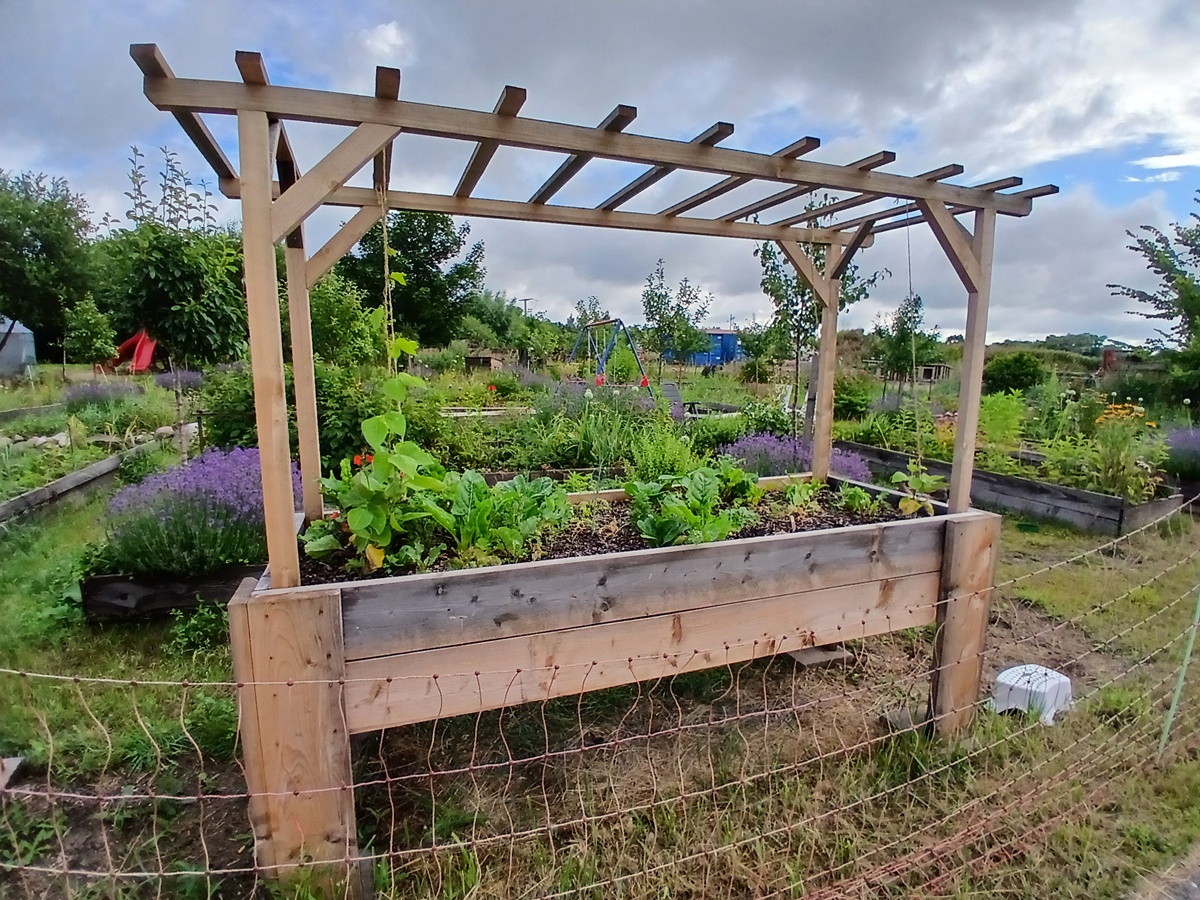
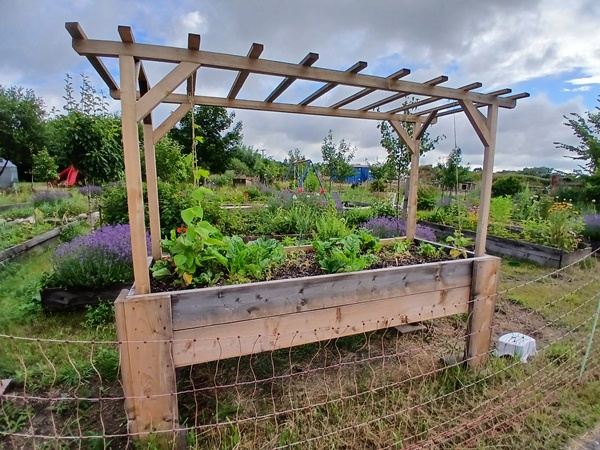
Well, if the ground is full of couch grass, what better solution is there to avoid it, than raising the “garden”. Our solution looks like this.
My husband and son build me 2 of these planter tables to try them out this growing season.
We filled them by starting with a good layer of sheep wool to store moisture and prevent soil from falling out trough slits between the boards. Next came a good layer of woodchips followed by a good layer of composted cow manure. After sowing we finished the bed of with a layer of woodchips that came out of the chicken coop. These woodchips are already partially breaking down and bring there own nitrogen (in form of chicken poop) they need for the ongoing decomposing process.
The compost we used was very dry, which I do not mind while sowing, but after sowing a good watering was need and after covering the compost with the woodchips the water had the change to really soak into the compost. Since this growing season is a ratter rainy one I did not have to tent much to the planter tables.
Since I have 2 planter tables I wanted to do a little experiment. I had seen someone use a tarp with the black side up to trap moisture and warmth underneath to help carrots germinate. So I covered one of the planter tables with a thick black foil for a few days. After 3 days I took of the foil because a few sprouts where visible.
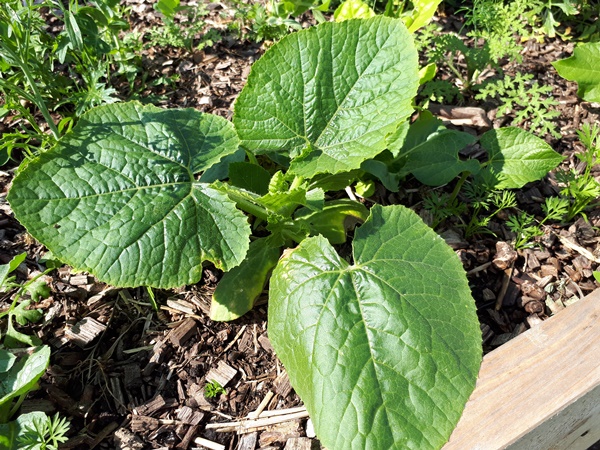
Shortly after taking of the foil the sprouts where gone though, but it did not take long for other things to sprout. After a few weeks some things I had sown where slightly earlier in the planter table that had the foil as in the planter table that did not had the foil. A remarkable difference was with the pumpkin, of which I had put one seed in each planter table. Both actually sprouted, but the one in the planter table with the foil was weeks earlier than the one without the foil.
Since the spring was so cold it took a while before things started to grow, but it looked promising by the time summer came.
After that some things started to turn. Every variety that belongs to the Brassicaceae started to get damages on there leafs. It is from some kind of very small bugs that also go on the cabbages and the mustard every year. The white radishes also started to look wilted, so I harvested these. Some white radishes where just big enough to prepare to eat, but others where still so small that we fed them to our hair. I found very tiny white caterpillars with a black head in the root of the white radishes. The reason they where wilted.
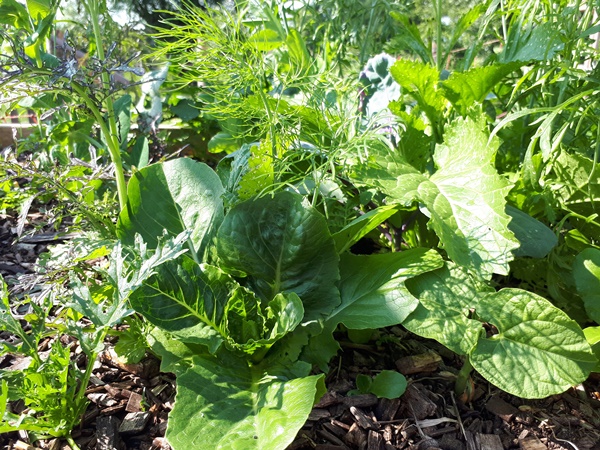
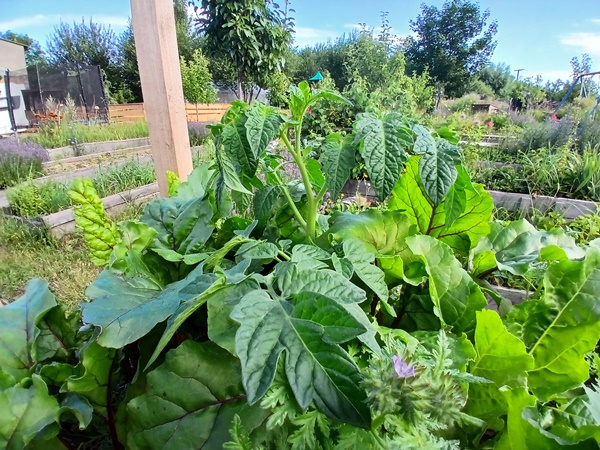
After cleaning out the planter tables of everything that did not look good, a lot of room came free. I’m thinking of sowing some more lettuces there, since these seem to do well in the planter table. Beside the lettuces, the runner beans are doing well also.
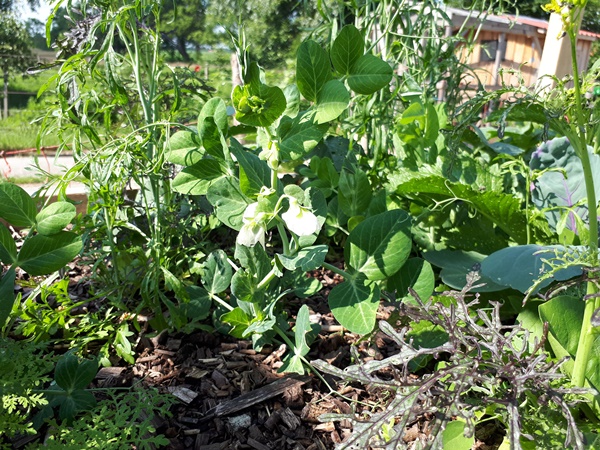
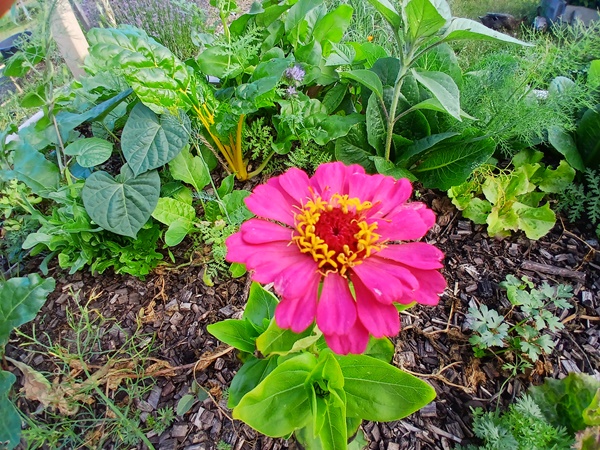
Some herbs and flowers came up as well. The red beets looked promising, but are not building any bulbs, but that must be the wetter, since they are not building bulbs in other parts of the garden as well (or maybe I am too inpatient). The peas looked promising, but before it was time to harvest they started to wilt and die. Maybe that was from the sudden heat, as I have heard they do not like heat. The carrots sprouted, but do not really seem to grow much yet.
Surprisingly a volunteer tomato emerged between other plants. I have no idea how that seed ended up there.
Well, I do not want to go on about the different plants and I do not want to jump into any conclusions. I am just going to try and fill in the empty spots with things that do grow in the planter tables this growing season and try all the different things again next year.
Some pictures from middle of June
Ending this post with a few pictures from middle of July
A raised bed full off couch grass, so sad, but also some surprises
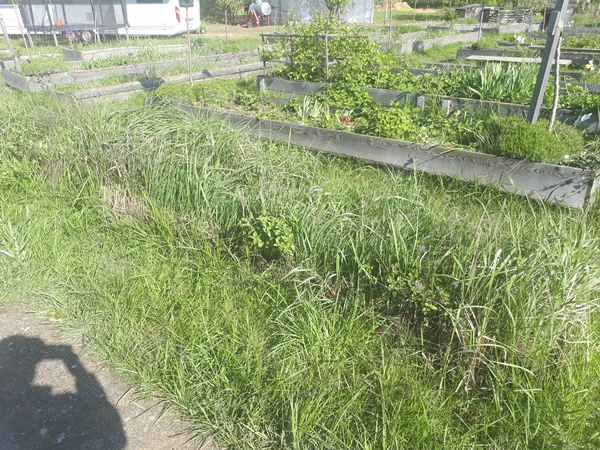
One of our raised beds was on a spot where there was a lot of couch grass and we neglected to do anything against the couch grass before we made the raised beds. This was one of the kid’s garden beds and we just let them do as they liked and that was not pulling out the grass. After 2 years the raised bed looked like this.
It is very much overgrown with couch grass, although not entirely.
For the most part the soil of the raised bed is one thick layer of roots. The couch grass roots do not really go down, but grow horizontal, sending up new grass regularly. After some time the roots have woven a thick carpet.
It feels like a miracle if anything else would be able to grow in there, but it did. We found some strawberries hanging in there and growing taller to be able to get some sunlight.
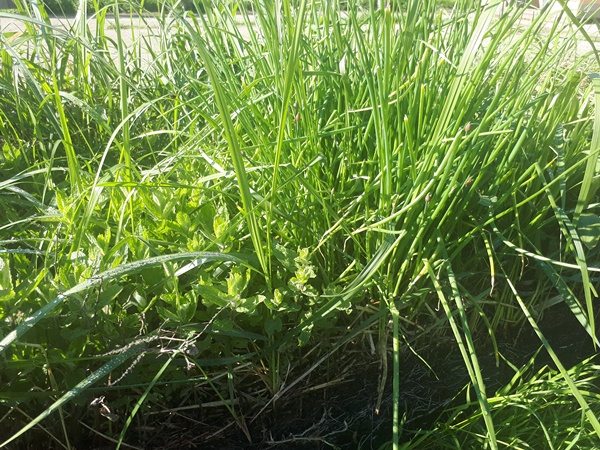
But not only strawberries, we had a section with mint, also a root invasive plant, with hardly any couch grass growing through. Same with the tuft of chives growing next to it.
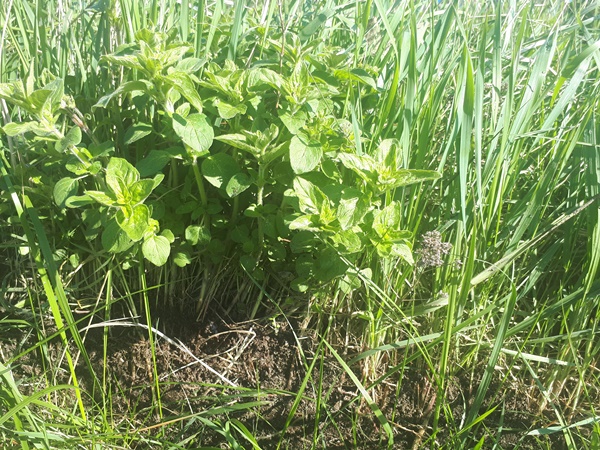
There also was a big plant of oregano in the bed, which mixed in with the couch grass. This made it hard to harvest. We had a lot of work separating the oregano from the couch grass, since we do not want to eat the grass.
Since it is impossible to get rid of the couch grass in this raised bed and we have a new idea for growing food without the interference of the couch grass we cleared this raised bed to make space. We took of the wooden sides and picked up the soil/root carpet that was left with the tractor bucket. The “carpet” really held together and was easy to remove. It was just a thick layer on top of the normal ground.
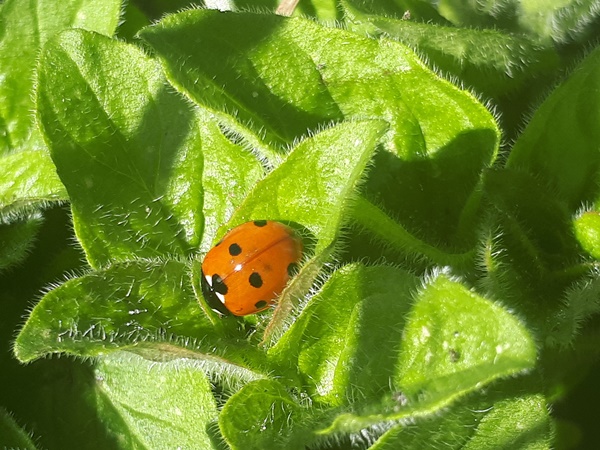
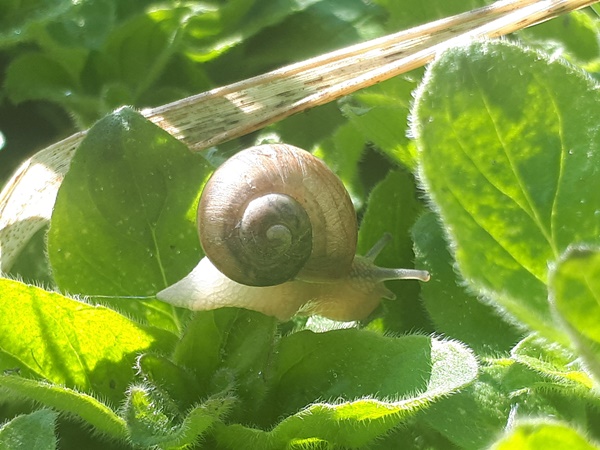
While clearing the “carpet” we found some lady bugs and this beautiful little burgundy snail.
As for the reason for clearing this space, you can read about it in an up coming post.















 Beautiful Chaos