
When we bought our property it has been neglected for 10 years. So the willow trees where very dens and big. Far too big for the type of willow tree and our windy location. So one of the first things we did was to shorten the willow trees. Not all of them but all the dangerous ones first. This was 3 years ago. 2 years later we did the remaining big trees.
Now it is time to start maintaining the willow trees. Normally you cut back every other willow tree and the next year you cut back the other trees. This keeps the habitat for the wildlife available and the willow trees that are not cut back still function as a wind breaker.
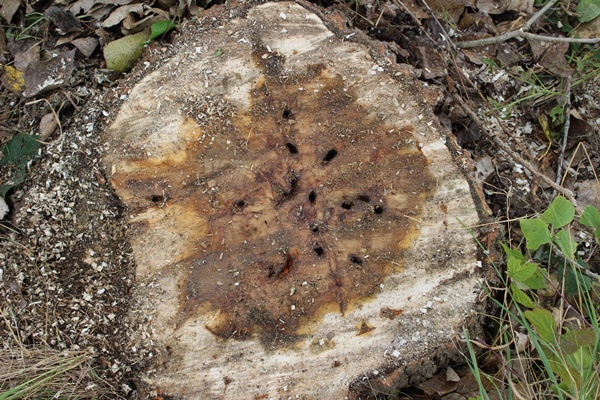
Unfortunately our willow trees are not very healthy. We have a lot of problems with the willow borer and even the small branches have holes from them. You normally would cut the trees down by the roots and hope that you can kill the larva of by drowning them with rain water. The branches need to be shredded so the larva in there get killed. The willow borer lays its eggs under need the bark and the larva eat there way up the tree about a meter.
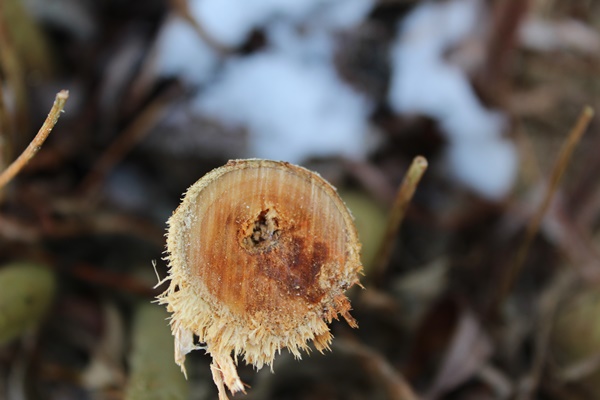
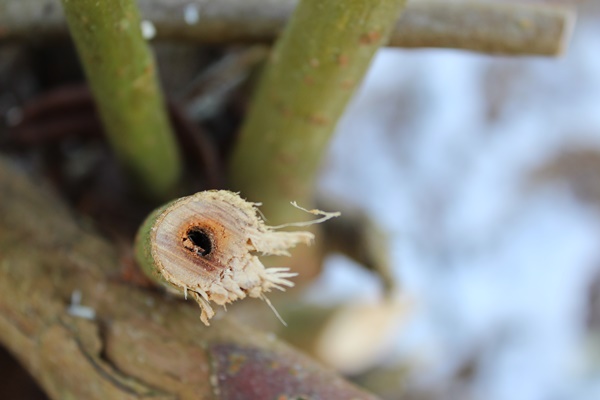

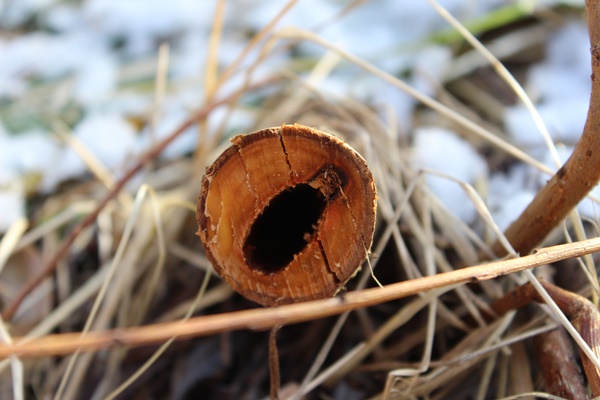
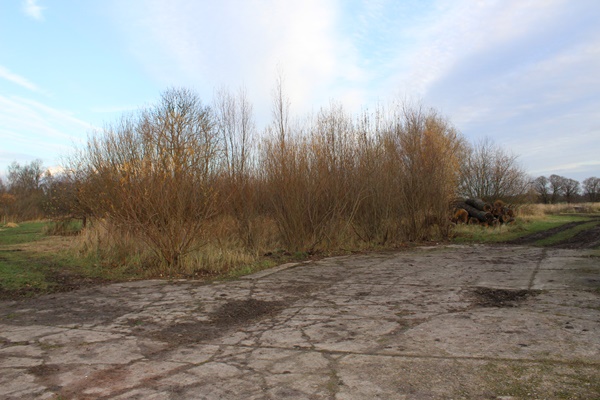
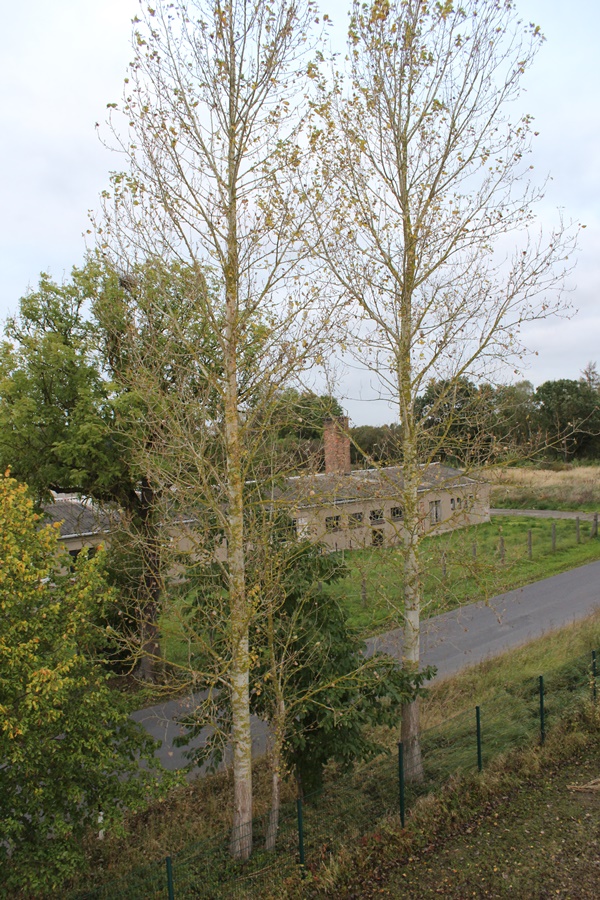
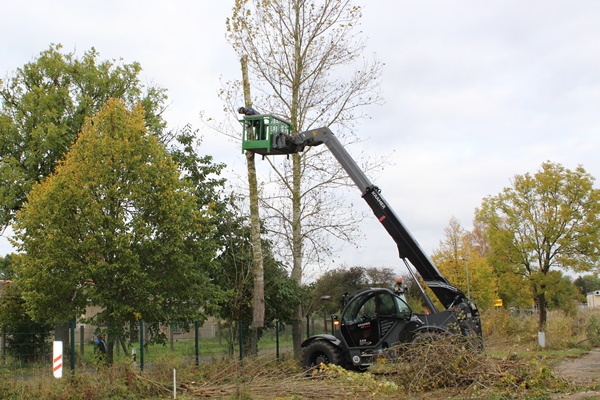
To start a few pictures from before we started cutting down.

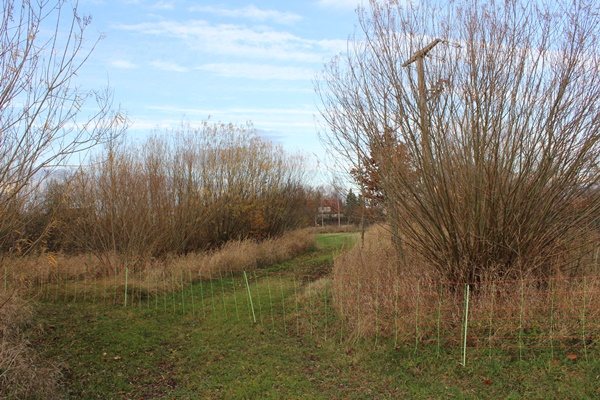
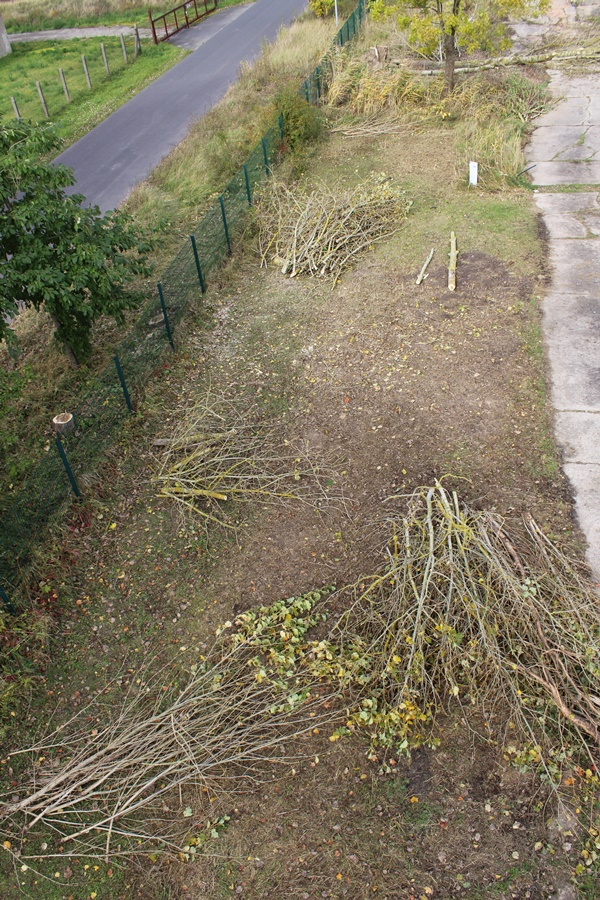
All of the smaller branches we cut with a hand tree saw. These branches are too small to cut with a chainsaw. But therefore this was a fun family job. The kids helped with stacking the branches to piles which the tractor could pick up and bring to where they get shredded.


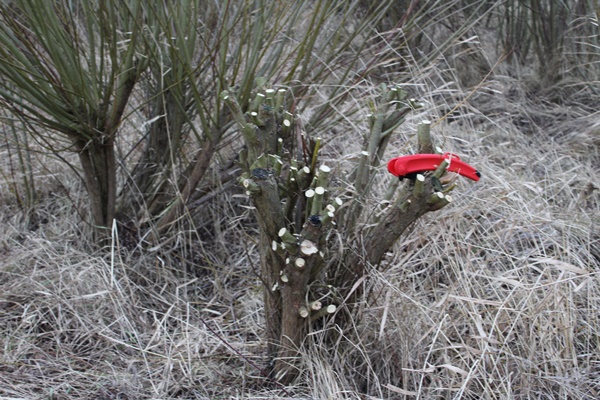
We do not cut the willow trees down at ground level, but we leave a meter or so. This will be the main trunk and all new growth will be cut back every other year to this height. After a number of years this will look like the willow tree has a head with hair. This was very common in this region.
Sometimes you will find some nice things wile working in nature, like this mushroom growing on a willow tree.

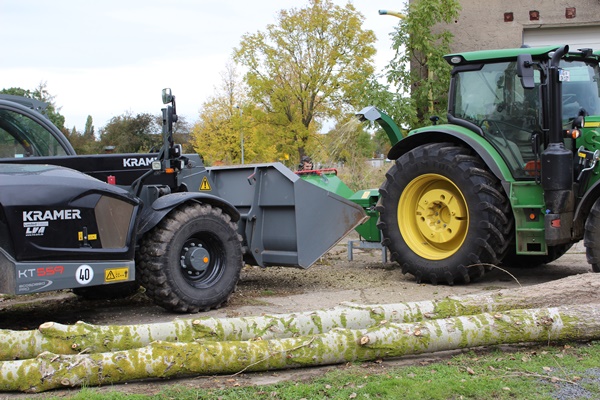
We also had a bigger tree to cut down with the chainsaw. These branches we collected and brought away with the tractor and the winch.
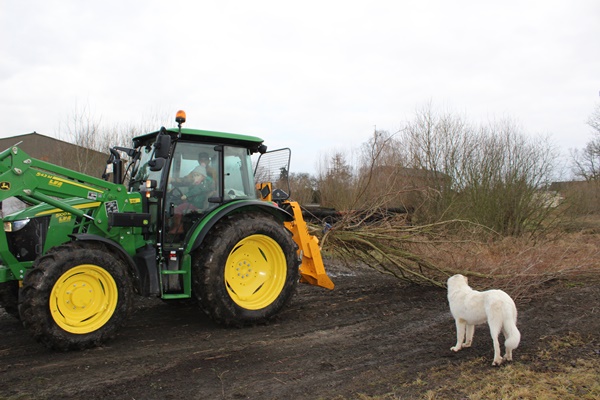

Some more smaller willow bushes to cut back.

And piles of branches to bring to the wood chipper.


One of our friends has an organic farm where he produces eggs and he likes to use woodchips in his chicken houses. So the branches where shredded into one of his containers and put to good use. In return we get some manure from him for our garden.
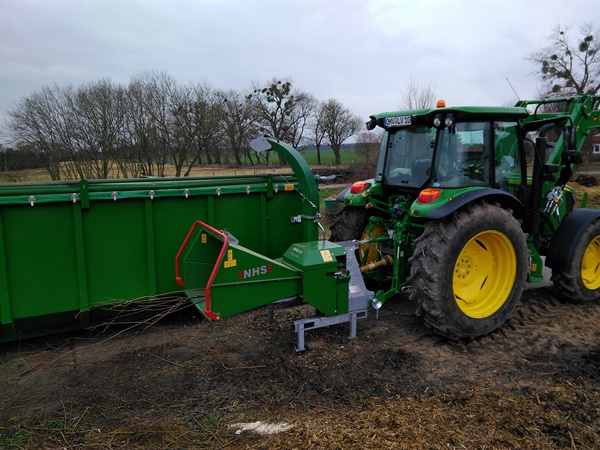

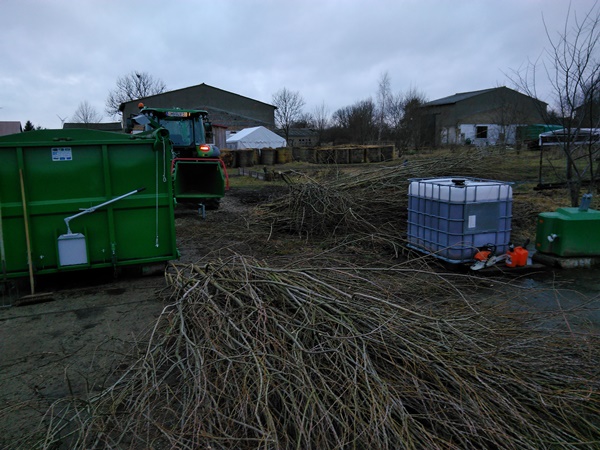
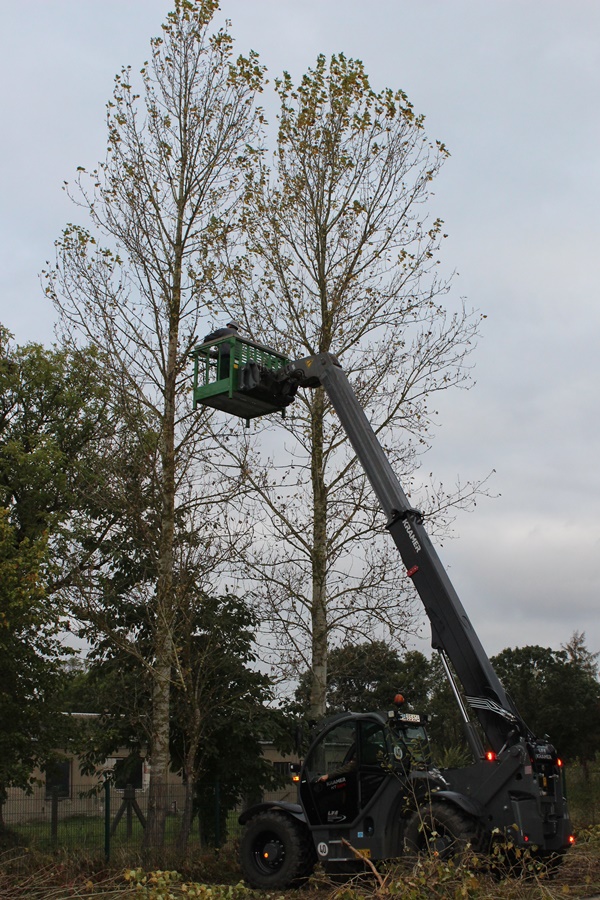
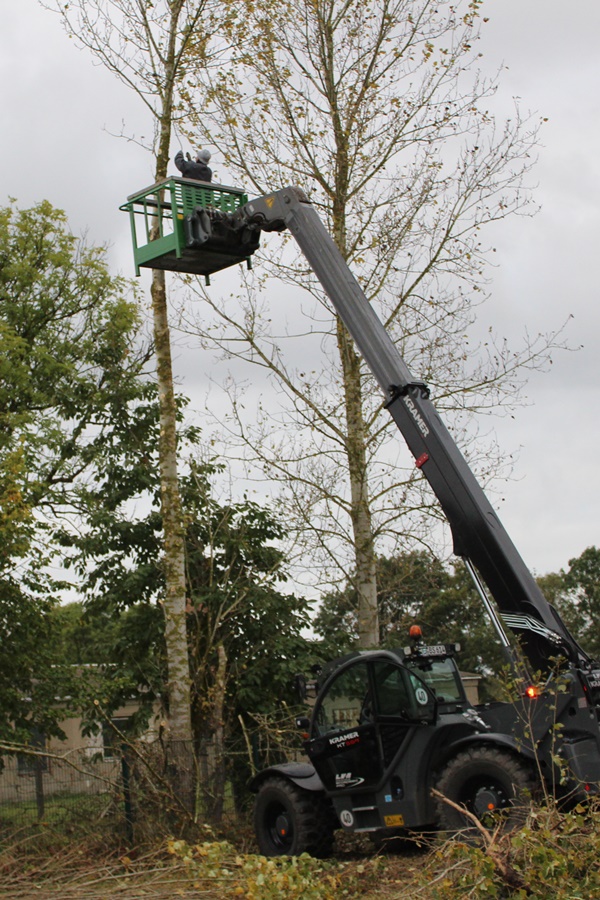
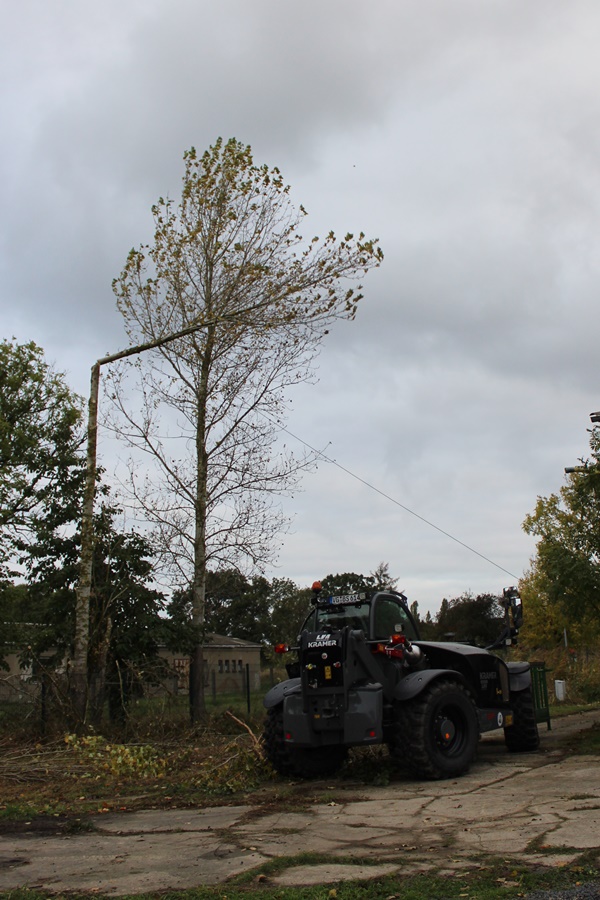
Here we want to take out some willow trees which grew on the concrete. Some soil has been blow on here and the trees grew in that. Now we want to clear the concrete, so we have some more space to move around with the tractor. We have an entrance to our barn here. Also these willow trees are not rooted very well due to the concrete, so they could be blown over very easily.
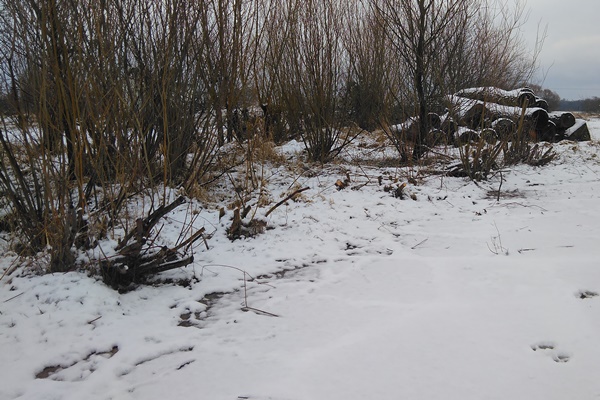

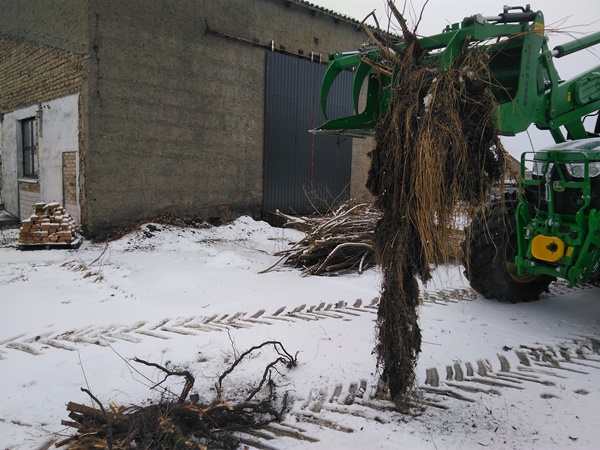
We added the roots and soil we picked up to our deadwood hedge, which is not finished by far. So every time we have something like this we ad it.
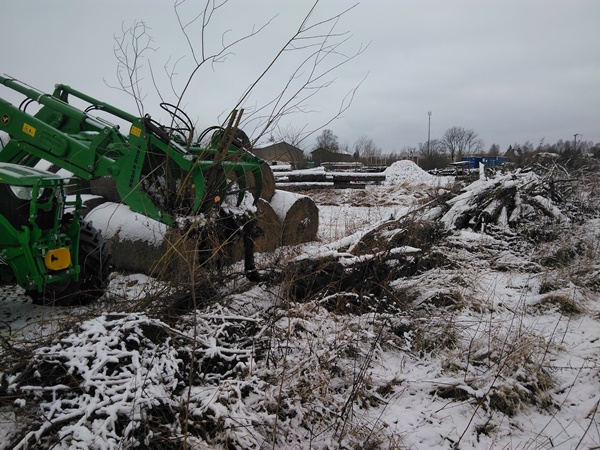
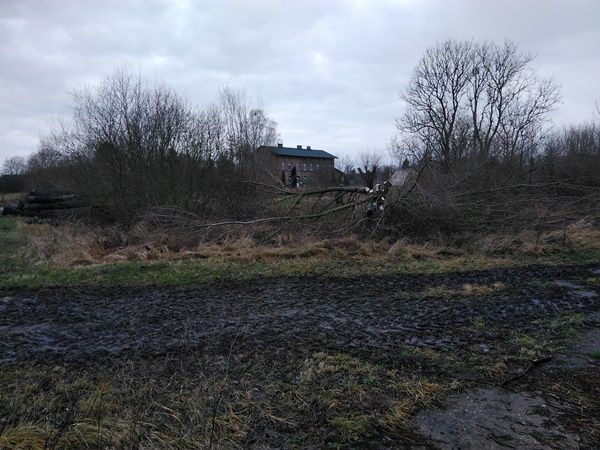
Here are some pictures from after our cutting back.

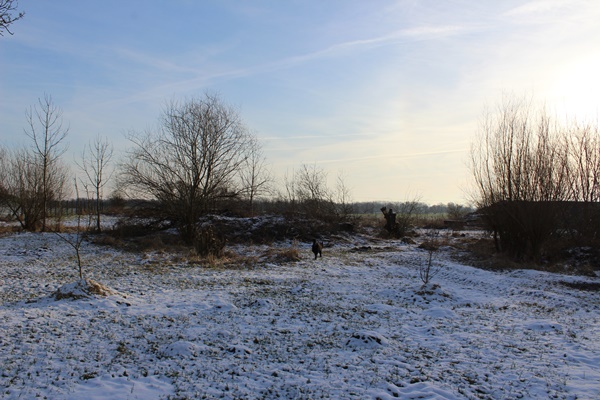

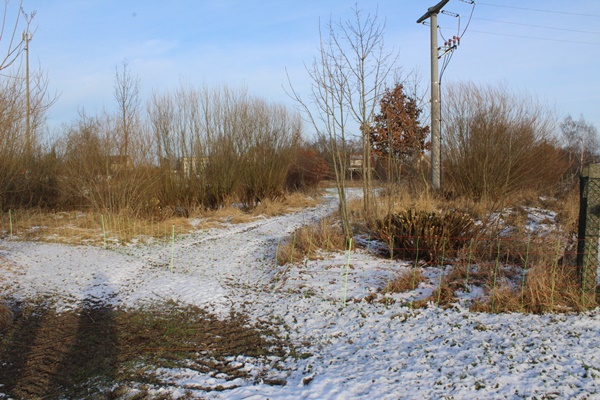







 Beautiful Chaos