New growth on the pear tree and flowers, flowers, flowers…
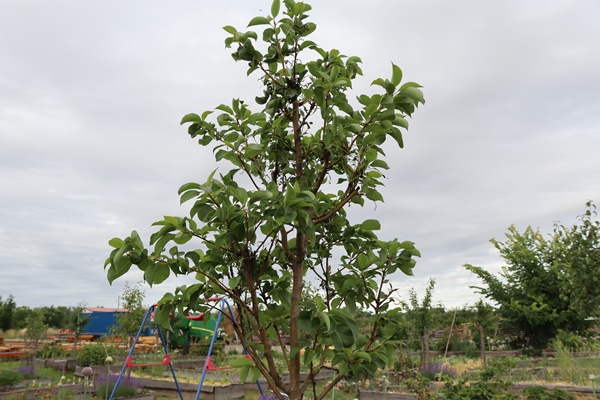
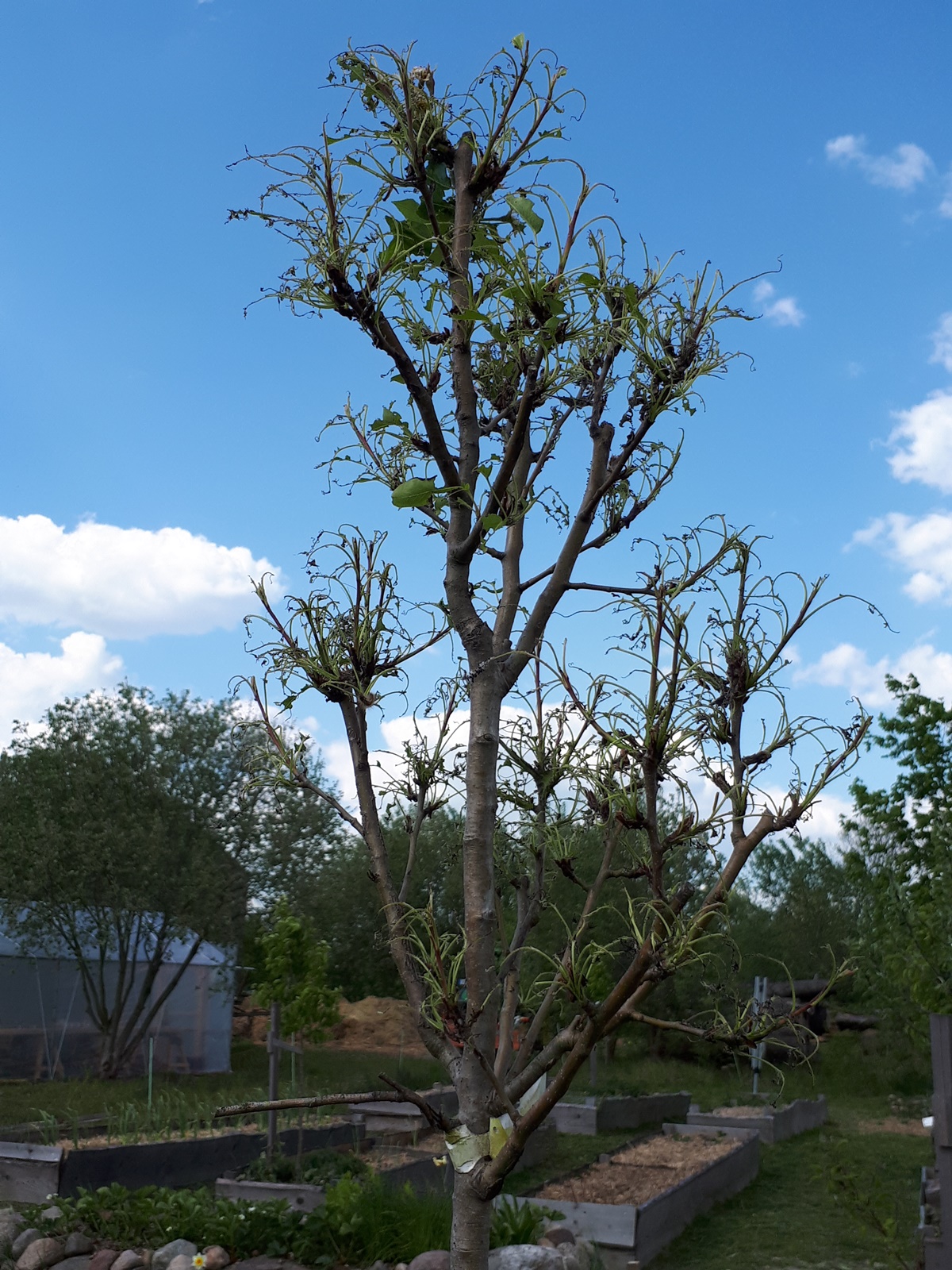
We had a pitiful sight this spring when we found our young pear tree eaten all leafs of by an army of caterpillars. We collected all of the caterpillars and after a few weeks the pear tree recovered. The pear tree grew new leaves and is looking good. It is amazing. Fruit trees make a blast of growth in the spring after which they seem to stand still and invest there energy in flowering and starting there fruit. After the development of the fruit the fruit trees make another blast of growth. Thanks to that the pear tree is looking good and healthy again.
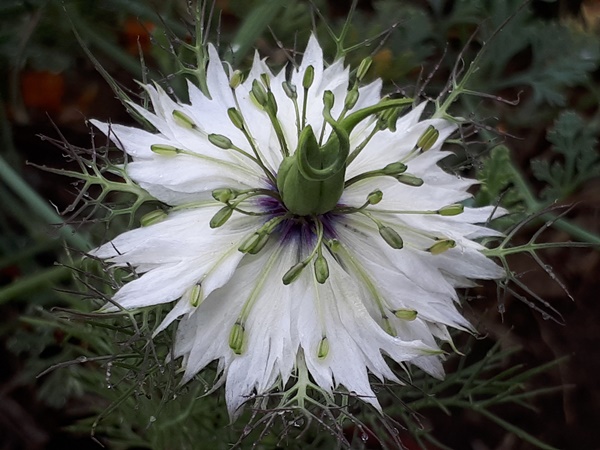
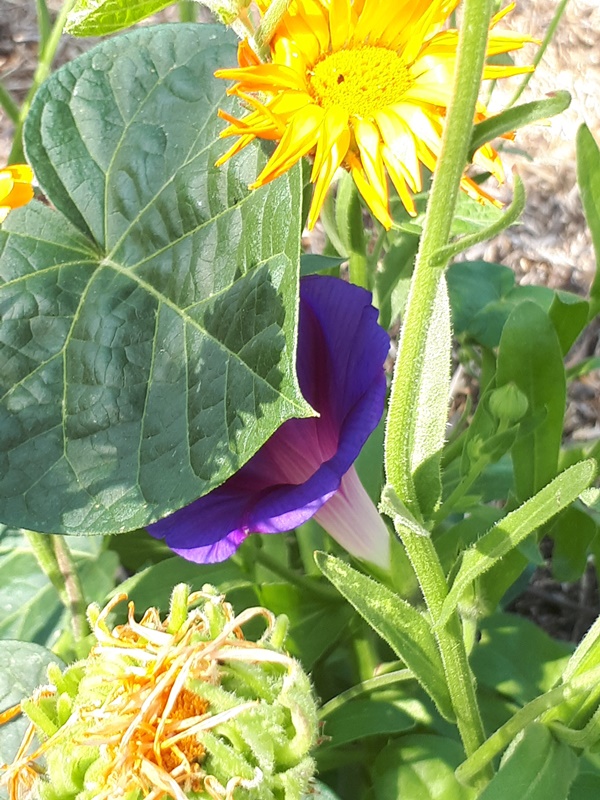
Here are some beautiful flower pictures I just wanted to share.
A beautiful white flowering virgin in the greenA beautiful red yellow rose flower against a background of its own leavesA beautiful blue morning glory among some marigoldsA beautiful pink zinnia with yellow stemsA beautiful blue morning glory hiding behind its leaf surrounded by marigoldsA beautiful lilac flowering leek against a garden backgroundA beautiful lilac rose flower with yellow stems with little black bugs in themA small bee feeding on the lilac flowers of a leekA beautiful bright yellow sunflower against the background of some raised bedsA beautiful sweet pea flower
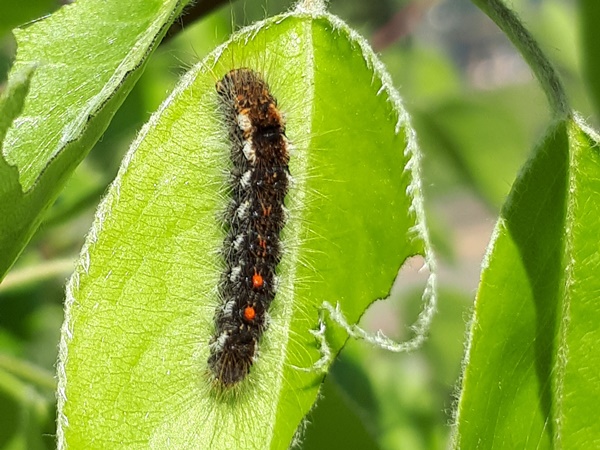
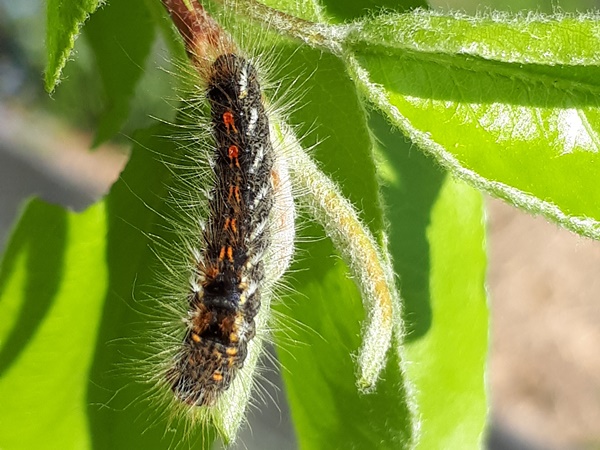
A few days ago I was sitting in the garden enjoying the sun, when my eye fell on one of our pear trees. I thought “that tree looks kind of funny”. After a closer inspection we found that the pear tree is absolutely packed with caterpillars. As far as I could find in the internet they are the caterpillars of the brown-tail moth (Euproctis chrysorrhoea). The brown-tail moth is a beautiful white moth, which is active at night.
Obviously I do not really like such a massive damage on one of my trees, so first thing we did is free this tree of all of its caterpillars. There are a few small leaves left on this tree. I hope the tree will survive this attack. We fed the caterpillars to the chickens and started checking all of the other trees.
We found some more single caterpillars in a few trees, but nothing major anymore. Some caterpillars where also found on other plants, so we are checking our trees and plants regularly. While searching for the caterpillars, we also found a rose beetle
and a lady bug on some trees.
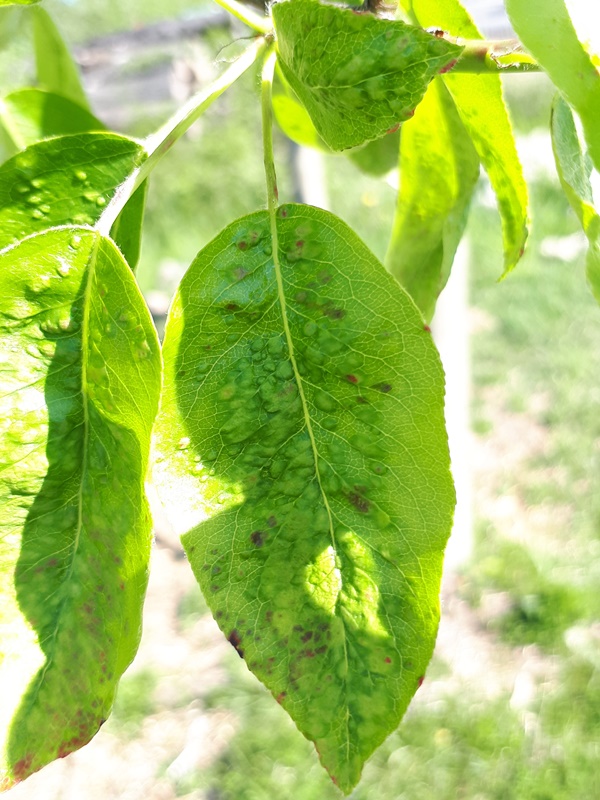
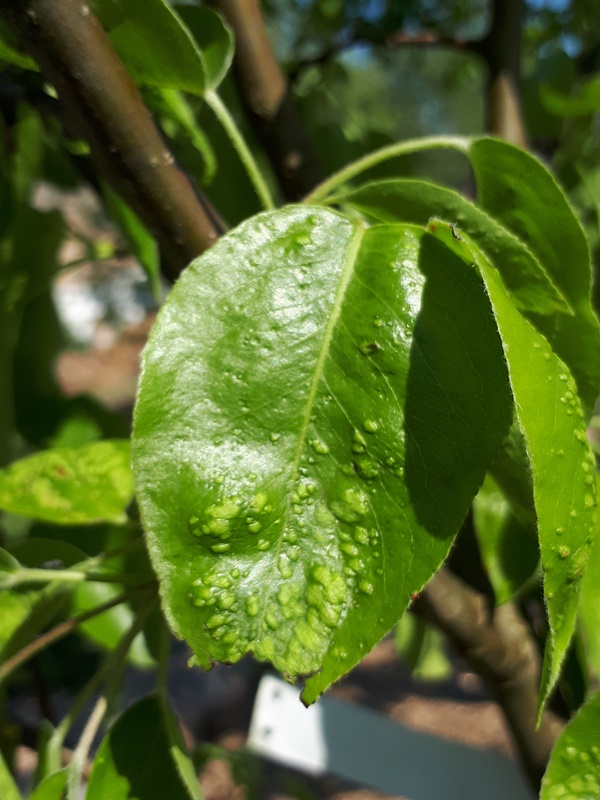
What I also found where some other problems with other pear trees. One pear tree has a lot of leaves that look like they are full with these little bubbles. I think this is caused by the pear leaf blister mites (Eriophyes piri). Apparently these mites do not really damage the tree, so I am just going to leave the leaves on the tree.
Another pear tree has a few leaves with these strange orange spots. This is European pear rust caused by a fungus named Gymnosporangium sabinae. I am not sure if I should do anything about this. One article says I should take of the leaves and dispose of them in the trash. Another article says they do not hurt or damage the pear tree and I can just leave them on the tree.
What would you do? Dispose of the leaves or just leave them on the tree?
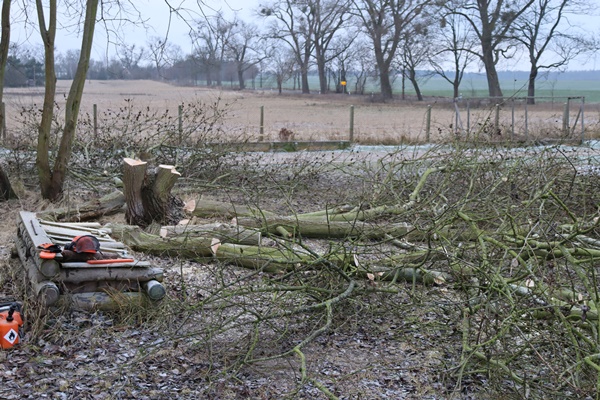
It is such a shame, but after the guy from the environmental agency visited us, he confirmed that these trees all have willow borer damage and need to be taken down. These trees protect and give my “garden bed underneath the trees” a very good microclimate. The coming season this bed will be unprotected from the burning sun, temperature drops at night and the often harsh winds. I will have to think about what I could sow here coming season. Hopefully the tree stumps will sprout again in spring and the willow trees will grow back quickly.
But back to the current problem. The trees have to go, so my husband grabbed his chainsaw and started with the biggest tree consisting out of 4 trunks.
Starting situation:
And down they went.
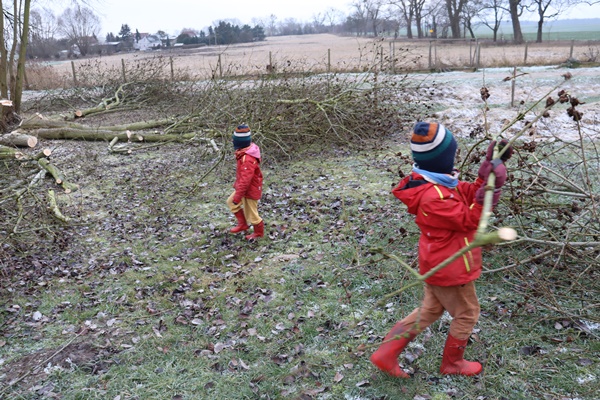
Our 2 older kids helped with clearing the branches where needed, so my husband kept space to move around safely.
After a coffee break a bunch of smaller trees where cut down and some just barely missed the elder tree.
Finishing of the clearing of this patch with the last medium size trees.
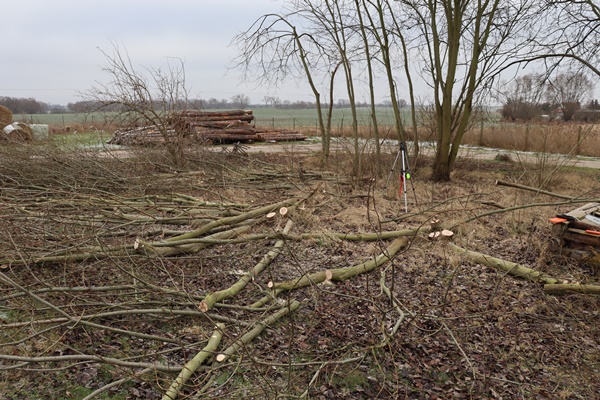
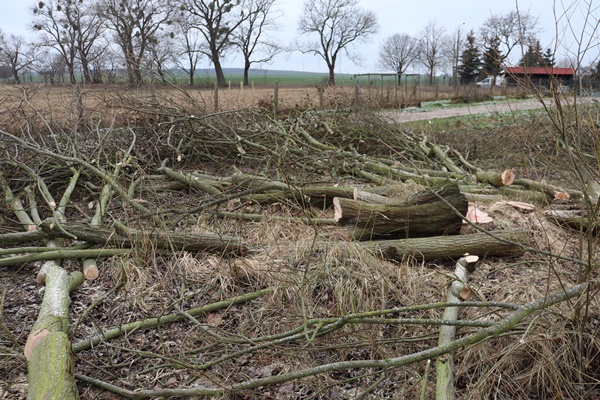
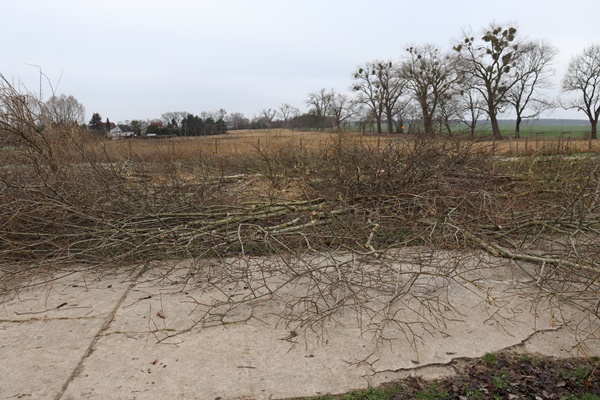
And all trees are cut down, finished before lunchtime. The cleaning up of this mess will take more time than that. The bigger logs will go for firewood and the branches will be chopped and composted.
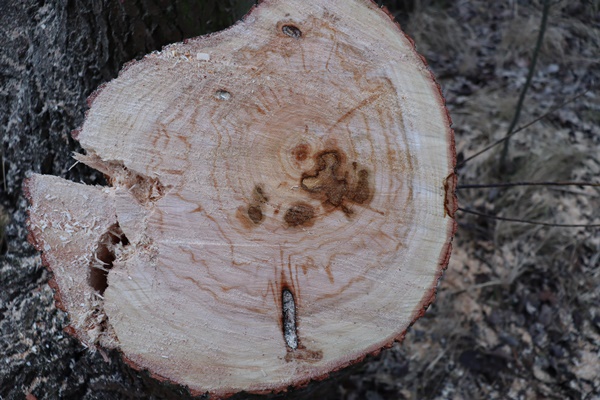
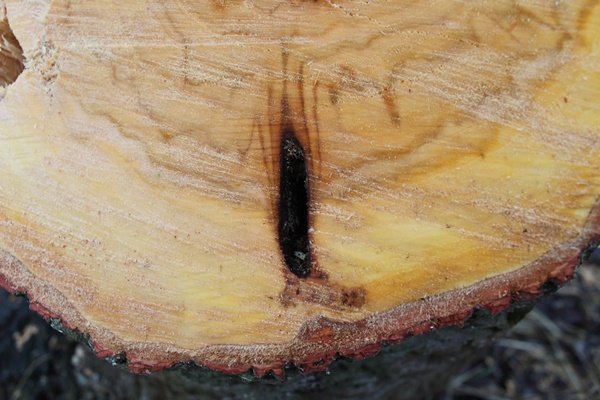
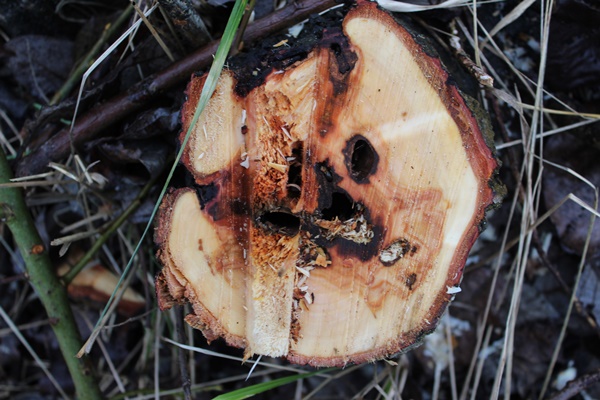
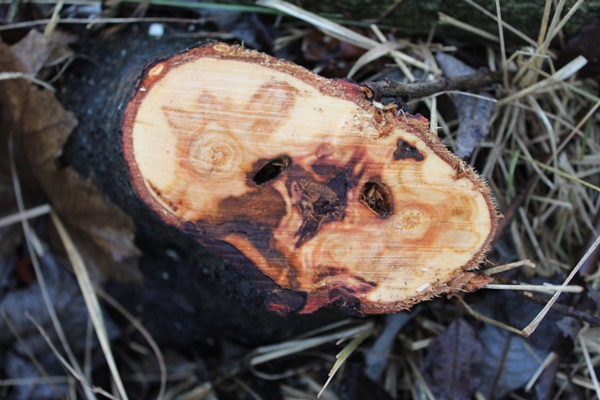
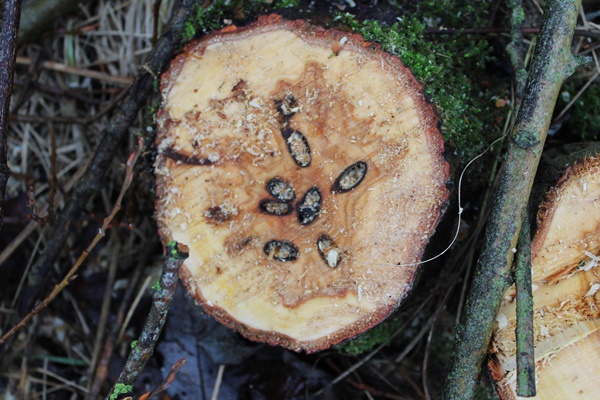
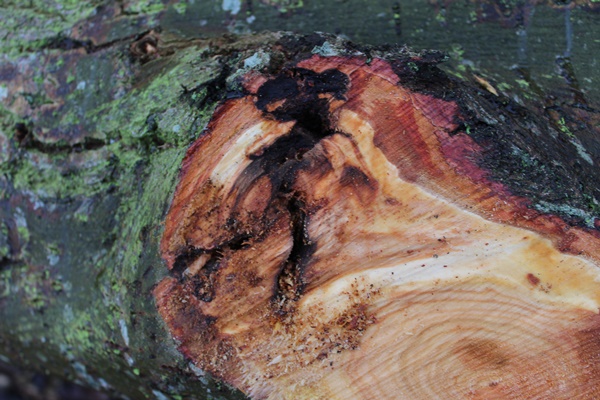
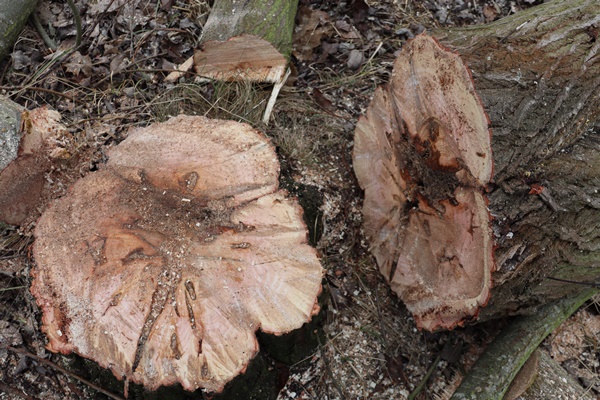
Here are some examples of the damage caused by the willow borer.
As you can see these are nice size holes. Around these holes the wood will start to decay. On some pictures you can see the darker brown. That part of the wood is decaying. Healthy willow wood is light in colour. Partially the centre of the trees has already turned into pulp and made the cutting down of the trees somewhat dangers.
All the tree stumps are cut of strait so the rainwater can fill up the holes and drown the willow borer to minimize its spreading.
2 days after the trees where cut down a willow borer crawled out of a cut of tree stump. The size of these creatures is impressive. They are much bigger then your normal caterpillar. Very good to see are the jaws with what they eat the wood.
If you are interested, my husband has also filmed this action. You can see this on our YouTube channel Straver Homestead.




















 Beautiful Chaos