Author: beautifulchaosorg
Hi, I am Carolien and I am a Dutch woman trying to build a self sufficient homestead on concrete and rubble.
Follow my husband and me on YouTube: https://www.youtube.com/@straverhomestead9667

Growing potatoes in straw round bales
Not quite what I had expected

In a garden update post from this spring I had mentioned sprouting potatoes in my storage. I had planted these in straw bales which I use as a wind protection. Here is a picture from this spring.

The potatoes in the straw bales seemed to do well despite the heat and the drought. The plants where nice and green, unlike many other plants turning yellow. Such decomposing straw bales do keep moisture in well.

Unfortunately some straw bales fell to the side and the rainwater just run to the ground without soaking into the soil for the potatoes. These 2 straw bales did not give many potatoes and they where very small.
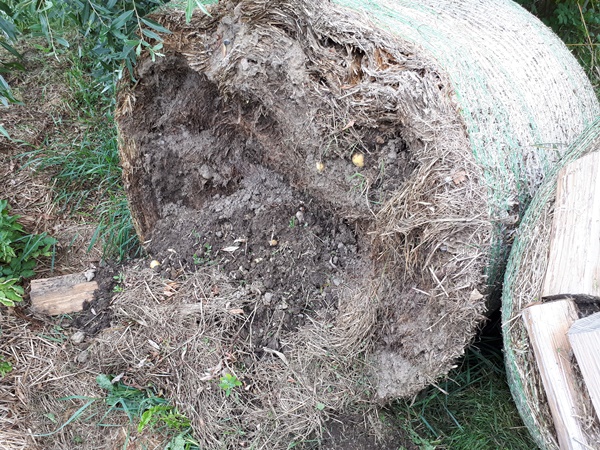
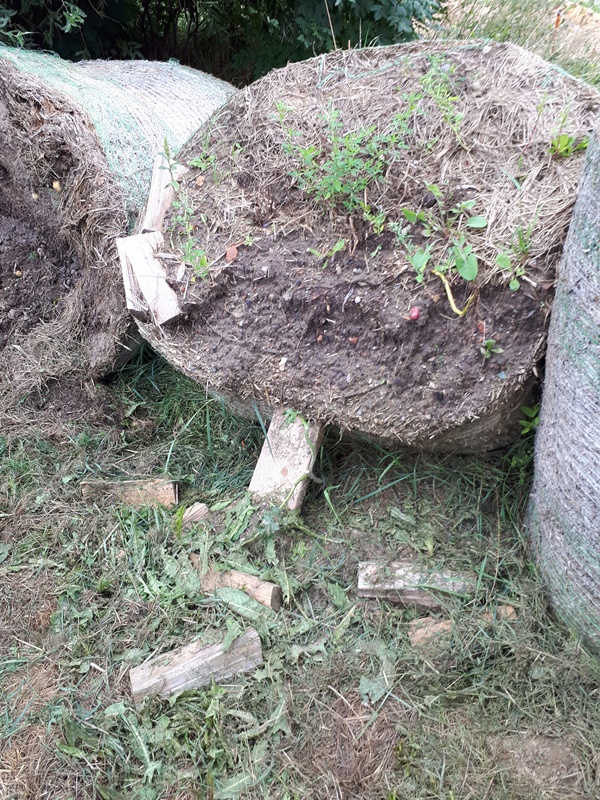

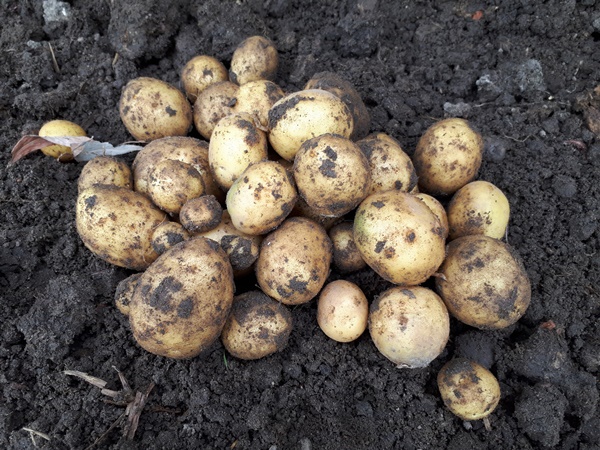

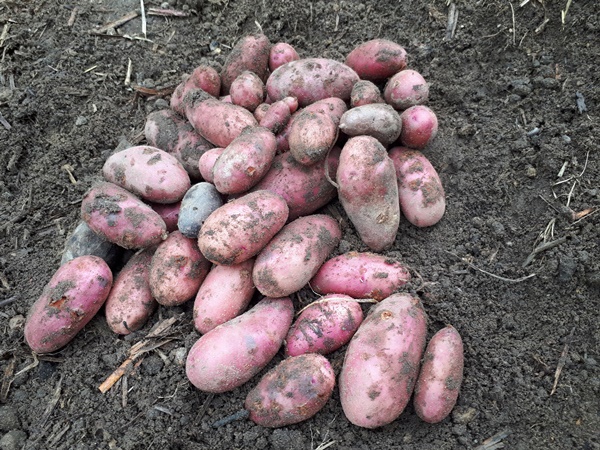
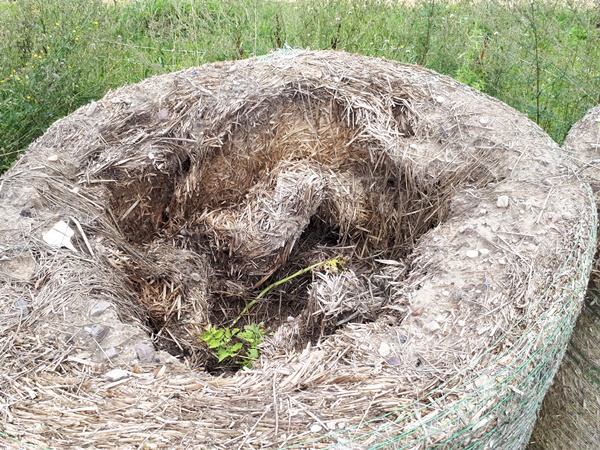
Some of the straw bales fell in itself and if there would be any potatoes to harvest I was not be able to reach them.

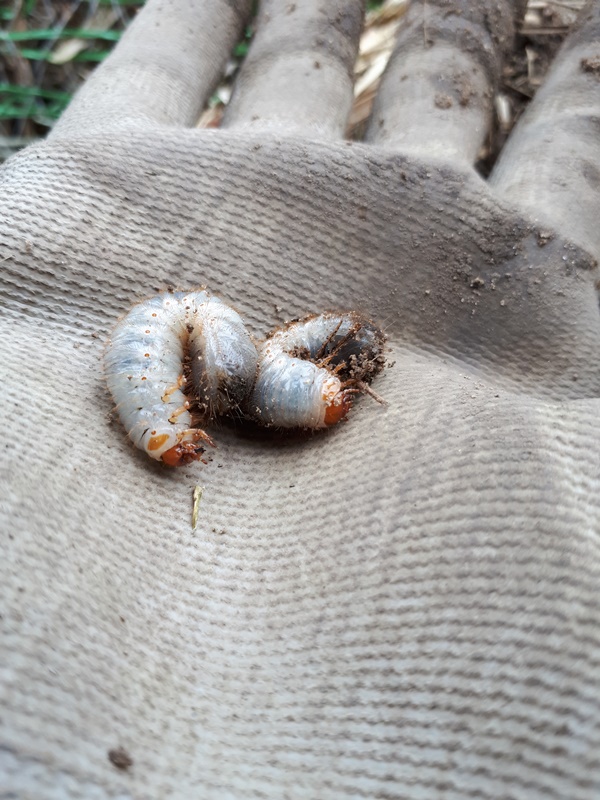
In one of the straw bales I found around 30 pieces of larva of a cock chafer very compact together. I searched and hope I found all. This straw bale did not give much yield as well.


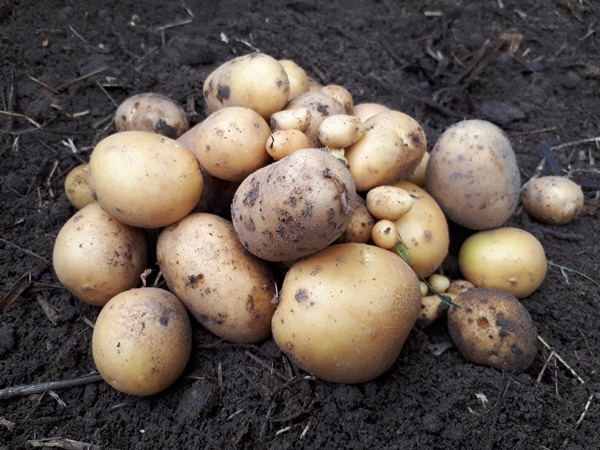
One straw bale was partially hidden underneath a tree and had protection from the burning sun most of the day. This I noticed in the yield from this straw bale. This was a lot more then in the other straw bales. This straw bale gave about 3,5 kg. In comparison the other 4 straw bales, I was able to harvest, also gave around 3,5 kg. So growing in the straw bales this way does not give me the advantage I hoped for in times of heat and drought. The straw keeps moisture in, but the plants do not really root into the straw. Therefore the moisture is not really available for the plants. (Of course this was a small scale experiment with very lose boundaries)
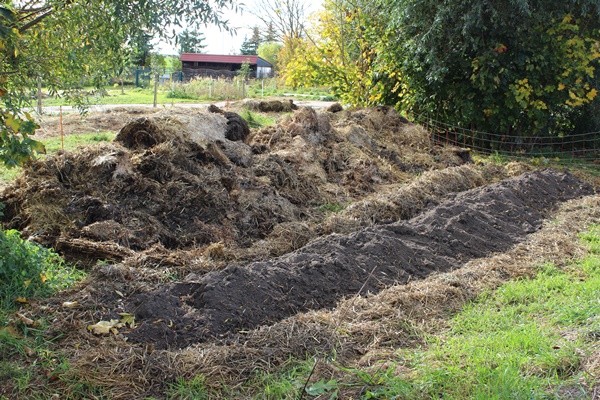
The straw bales have decomposed so much by now that we removed the netting around them and have a somewhat messy pile of straw left. We will leave it over winter like this and see how much it will decompose further. I hope in spring it will be ready for us to grow food in it. For now the pile of straw is still a wind protection for the hill beds beside it.
Share this Post with your friends

I bought a pressure canner from America
The first thing I tried to can is chicken and of course as second the chicken broth

I have been watching a number of American people on YouTube using a pressure canner and gotten interested in this way of preserving. Putting everything in the freezer is convenient, but often I forget to thaw things on time. A freezer also uses power all the time while canned goods just need a frost free storage. Another thing is that it is difficult to take a freeze with us while traveling as on the other hand canned goods can be packed easily.
After we bought the cow to get butchered I told my husband I wanted to buy a pressure canner and so we did. I found it very exciding, since it was the first time I bought something from America. We can not buy a pressure canner in Europe, since it has not been approved here. It took about two weeks for the pressure canner to arrive and I was impressed by the quality of the product.
A little afraid to use it I first read the instructions a few times and had to wait until my husband had finished reorganizing and cleaning the barn. This needed to be done because he wanted to park our caravan in there for the 2 weeks we plan to go onto a holiday. Also the space and a somewhat clean barn were needed to process the butchered cow. After that we set up our camping gas stove in the barn. In preparation I had thawed 4 chickens and my husband cut of the filets and the legs. We grilled the chicken legs for lunch. They where very good with a peanut butter sauce.

I wanted to pressure can the filets. I put the pressure canner on the stove with the needed amount of water and turned the heat on middle. I put 5 pcs of ½ Liter glasses in the pressure canner to warm up with the water. I collected everything needed on the table and cut all of the filets in usable pieces. By the time I finished cutting the filets the water had warmed enough and I packed the meat in the glasses. The amount of meat was exactly right for the 5 glasses and I returned the glasses to the pressure canner and closed the canner. I left the heat on middle and waited for the steam. After 10 minutes of steaming I put the weight on and kept an eye on the pressure gauge. We are on a low altitude, so I need to pressure can with 11 psi. It took a little for the canner to reach that pressure, but since I did not put the burner to high it was relatively easy to adjust the heat and keep the pressure above the 11 psi. After the canning time was done I turned off the burner and waited for the pressure to naturally release. After that I carefully opened the canner and took out the glasses. It was interesting to see how the moisture in the glasses was still bubbling.
I took the glasses inside to cool down gently, because in our barn we only have about 12-15°C. As I understand the glasses shut not cool too quickly.
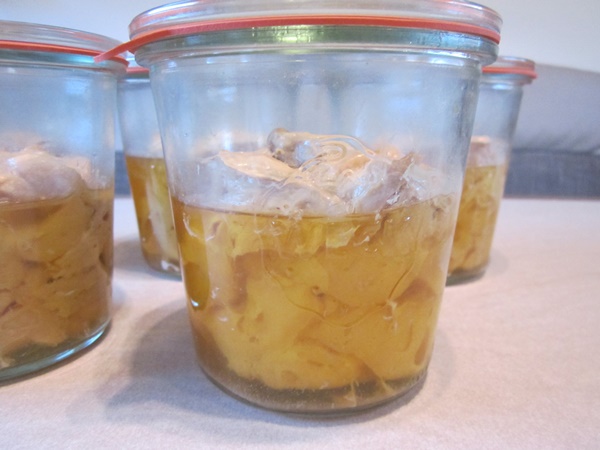
Once the meat was finished I took the canner of the stove and put my stockpot with the 4 carcasses on there to cook for the broth. I had only the chicken carcasses and water in the stockpot and had this simmer for about 5 hours, strained it and let the broth cool over night. (I had been making broth often before, but it did not smell so good and the kid’s did not want to eat things I made with it. Recently I have found out by searching in the internet that for broth, simmering for a longer period of time, you should not add vegetables, because the broth can turn bitter.) The next morning I separated the fat from the broth and heated the broth again. At the same time I heated the pressure canner with water and ¾ Liter glasses. Once the broth came to a boil I took the glasses out of the pressure canner and filled these with the broth. The amount of broth was exactly right for the glasses and the pressure canning process started again.

While canning the broth I used a glass of meat for an easy meal. I made Tai curry chicken with Quinoa. The meat was great. It did not become so dry as chicken meat usually does. We found it a success.

I have lost my “fear” for the pressure canner and want to pressure can some beef and soups as well. I am going to look for some recipe books about pressure canning to see for variations and what can all be canned this way. I think I have found a new hobby.

 Beautiful Chaos